Mastering Drift Diving Safety: Handling Nusa Penida's Currents
Fly through the blue with confidence. Learn how to navigate the famous "washing machine" and tidal flows of Bali's most exciting dive destination safely.
Go With The Flow:
Our Professional Drift Diving Handbook
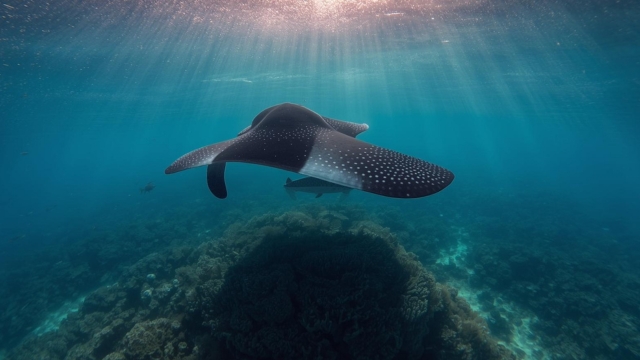
Nusa Penida is world-renowned for its adrenaline-pumping drift dives. From the North Coast to the Ceningan Wall, the currents bring the nutrients that attract Manta Rays and Mola Mola. But with great rewards comes the need for great respect.
This guide is designed for divers who want to understand the "why" and "how" of current management. We cover everything from reading the surface to essential signaling gear, ensuring your Penida experience is memorable for all the right reasons.
Safety Priority
Zero Incidents
What You'll Learn
1
Seasonal timing: When the currents are most predictable for comfortable diving.
2
Buoyancy mastery: Why neutral buoyancy is your best defense against downcurrents.
3
Essential Safety Kit: Why a high-visibility SMB and whistle are non-negotiable.
4
Marine Etiquette: How to enjoy the reef without damaging corals in moving water.
Preparation & Logistics
Success in Nusa Penida starts on the boat. Always attend the site briefing carefully—currents here can change direction mid-dive. We recommend booking between April and October for the best visibility. Ensure your insurance specifically covers "scuba diving" and check that your equipment is serviced for Bali's varying thermoclines.
Understanding the Conditions
Expect visibility ranging from 20 to 40 meters and water temperatures that can drop suddenly to 24°C in Mola-Mola season. The drift can be "mellow" at SD Point or "challenging" at the corners. The key is to stay close to the reef profile and avoid kicking against the flow; let the ocean do the work for you.
Staying Safe in the Blue
Stick to your buddy like glue. In a drift, separation can happen in seconds. Practice deploying your SMB (Surface Marker Buoy) while neutral; it’s your lifeline for the boat captain to find you. If you get caught in a downcurrent, stay calm, add air to your BCD if necessary, and swim perpendicular to the flow toward the reef.
Recommended Gear
We suggest a 3mm or 5mm wetsuit to handle the thermoclines. A dive computer is essential for tracking your multi-level profiles, and a reef hook can be a handy backup for stationary observation—though we prefer hands-off diving to protect the ecosystem. Don't forget reef-safe sunscreen for the boat ride!
Strategic Site Selection
Not all drift dives are created equal. We match your experience level to the site. Beginners might start at Mangrove or SD Point, while veterans can tackle the exhilarating currents of Crystal Bay or Gili Biaha.
Always trust local knowledge. Even if you've dived Nusa Penida before, the moon cycles and tides dictate the safety of the day. Our guides check the water daily to ensure you're in the right place at the right time.
Common Questions
Yes, provided you are comfortable with buoyancy and have a professional guide. We choose specific sites like the North Coast for those new to currents.
Follow the standard safety procedure: search for one minute, then ascend safely while deploying your SMB. The boat will be looking for your buoy.
Yes, but focus on your buoyancy first. In strong currents, it is better to use a GoPro with a tray or mount rather than a bulky DSLR setup.
Safety First:
Conditions in Nusa Penida can change in minutes. Always prioritize your guide's instructions over your dive plan. If you ever feel uncomfortable, signal your guide immediately. Your safety is our absolute priority.
Ready to Fly Underwater?
Join us for an unforgettable drift diving experience in Nusa Penida. Safe, professional, and exhilarating.