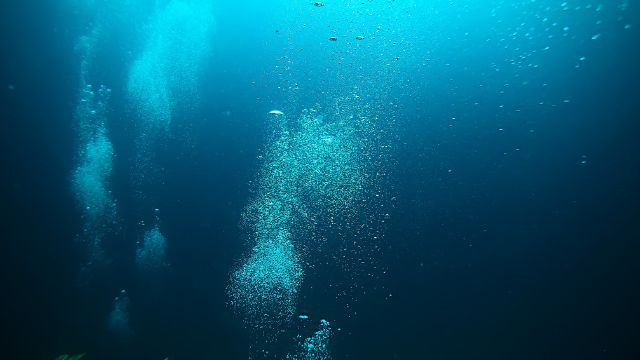
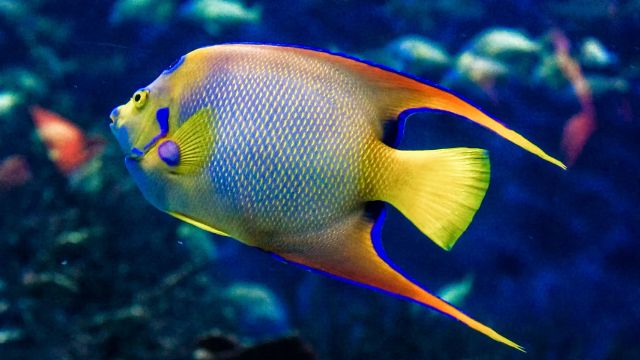
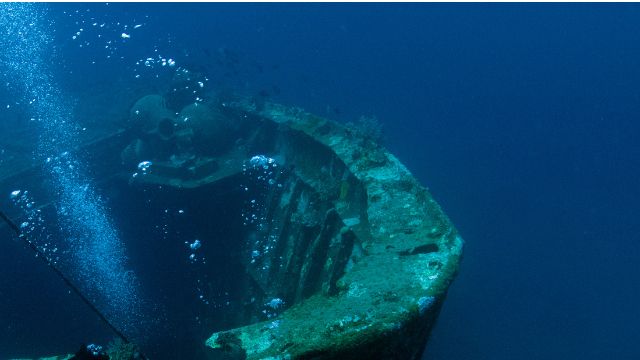
Diving in Nusa Penida is not for the faint of heart, but it is immensely rewarding. Separated from Bali by the deep Ceningan channel, the island is subject to the Indonesian Throughflow, creating powerful currents that bring nutrient-rich waters and incredible biodiversity. This is drift diving at its finest, where you fly over pristine coral gardens while keeping an eye out for pelagics in the blue.
Core Takeaways
- Mola-Mola Peak: July to October for Sunfish sightings.
- Manta Season: Resident year-round at cleaning stations.
- Experience: Advanced certification highly recommended.
- Thermal: Prepare for 18°C thermoclines at depth.
Elite Dive Sites
- Manta Point: Famous for resident Reef Mantas.
- Crystal Bay: The #1 spot for Mola-Mola encounters.
- North Coast (SD/Pura Ped): World-class drift dives.
- Blue Corner: Extreme currents for seasoned pros only.
Advanced Drift Strategy
Successful diving in Penida requires negative entries and superior buoyancy control. Currents can change direction instantly (down-currents and up-currents), particularly around the limestone pinnacles. Always follow the guide's lead and stay close to the reef to manage your air consumption and safety margins during the drift.
Nusa Penida Diving FAQs
While Manta Point can be calm, many sites in Nusa Penida are subject to fierce currents. We recommend beginners dive with a 1:2 guide ratio or stick to the sheltered bays. Advanced Open Water certification is the gold standard for this region.
The Mola-Mola (Sunfish) season aligns with the coldest water temperatures from late July through early October. These deep-sea giants rise to the reef cleaning stations when the upwellings bring cold, nutrient-dense water to the surface.
Prices vary based on whether you depart from Sanur or Nusa Lembongan. Trips typically include speedboat transport, high-quality gear, and an experienced local divemaster. Budget for approximately $120-$160 USD for a 3-dive day trip.
If you are diving during the Mola-Mola season, yes. While the surface might be 28°C, the thermoclines at 20-25m can drop to 18°C. Thermal protection is critical for comfort and safety during longer bottom times.