Bali Macro Diving Guide: Exploring Seraya Secrets & Puri Jati
Macro Diving Photography Bali
Bali • Photography Masterclass

Unveiling Bali’s Macro Wonders: A Guide to Seraya Secrets & Puri Jati

Dive into the world of "muck diving" where the treasures are small, rare, and incredibly photogenic. Explore Bali's premier macro hotspots with expert local insights.

Photographer's Choice

Small Scale,
Big Discoveries

While many flock to Bali for Mantas and Sunfish, the true magic for underwater photographers often lies in the black sands of the north and east. This is where the "weird and wonderful" reside.

Whether you are a seasoned pro with a DSLR rig or a hobbyist with a compact camera, sites like Seraya Secrets and Puri Jati (PJ) offer world-class muck diving. In this guide, we break down the logistics, the best seasons, and the tiny creatures that make these sites legendary.

Macro Photography Bali
Spotter Experts
PADI 5★

What You’ll Learn

Quick insights to help you prepare for a successful macro session.

1

The best seasonal windows for optimal visibility and critter activity.

2

Depth profiles and why "muck diving" is perfect for extending your bottom time.

3

Camera gear checklist: From strobe placement to macro diopters.

4

Conservation etiquette: How to shoot responsibly without disturbing the habitat.

5

Logistics: Combining Tulamben and Northwest Bali into one itinerary.

Preparation & Logistics

Getting the best shots starts with the right timing. While Bali is diveable all year, the calmest waters for macro work are typically between April and October. We recommend booking a dedicated dive guide—our team is trained specifically to spot the tiny, camouflaged creatures that most divers swim right past. Ensure your dive insurance is up-to-date and that you have notified your operator about your photography goals.
What’s Hiding in the Sand?

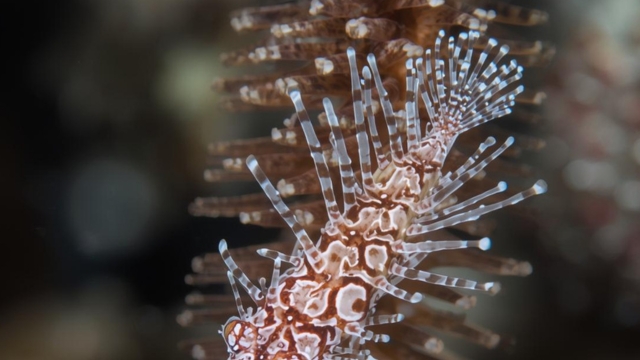
At Seraya Secrets, expect to find the "Holy Grail" of crustaceans: the Harlequin Shrimp. The black sand provides a stunning, high-contrast backdrop for photography. Over at Puri Jati (PJ), the vast sandy slopes are home to the Mimic Octopus and Wonderpus. Water temperatures hover around 26-29°C, and since these dives are usually shallow (5-15m), you’ll enjoy plenty of light and extended bottom times to get that perfect shot.

Buoyancy & Ethics

In muck diving, "good" buoyancy isn't enough—it must be perfect. One wrong kick can stir up the silt and ruin visibility for your photos (and everyone else's). Always use a "frog kick" and avoid touching the bottom. We strictly follow a "no-touch" policy: we don't move critters for photos. Respecting the marine life ensures these delicate creatures stay in their habitats for years to come.

Gear for the Tiny World

For these sites, a 60mm or 100mm macro lens is your best friend. If you’re using a compact camera, bring a 'wet' macro lens (diopter) that you can flip on and off. External strobes are essential to bring out the vibrant colors of nudibranchs against the dark sand. Don't forget a focus light—it helps your camera lock focus in the low-contrast environment of a muck site.

Planning Your Itinerary

Seraya and Puri Jati are on opposite sides of the island's northern coast. Seraya is easily accessed while staying in Tulamben, while PJ is closer to Lovina and Pemuteran.

We recommend a "Dive Safari" approach: spend a few days in East Bali for Seraya and the Liberty Wreck, then transit to the Northwest for Puri Jati and Menjangan Island. This gives you a complete overview of Bali's diverse underwater landscapes.

Common Questions

Everything you need to know before you dive into the muck.

Pro Tip:
Marine life sightings are never guaranteed, but patience is key. Spend time in one spot rather than swimming quickly across the sand—you'll be amazed at what "appears" when you stop moving.

Ready to Find the Small Stuff?

Book your private macro guide today and capture the incredible biodiversity of Bali's underwater world.

Secure Your Spot